
Financial education
Empowering agriculture in Somalia
Why access to finance, infrastructure and training matters for Somalia's farmers and rural communities.
By Maal Microfinance
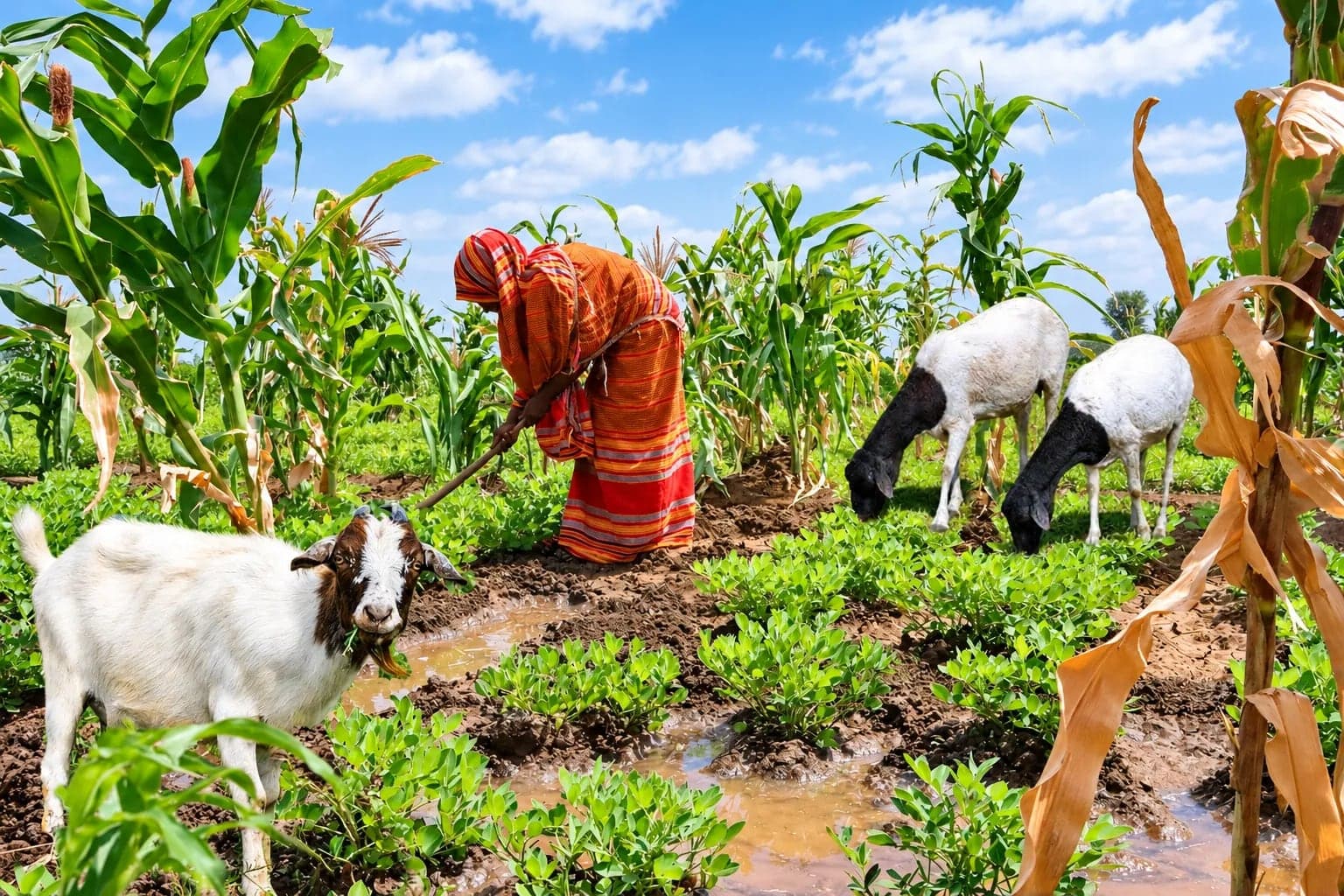
Somalia, a country with a rich agricultural heritage, has faced numerous challenges that have hindered the growth of its agricultural sector. However, in recent years, microfinance has emerged as a powerful tool in empowering farmers and revitalizing agriculture in the nation. Here, we will explore the significance of microfinance in Somalia’s agriculture sector and how it is positively impacting the lives of farmers and the overall economy.
The Importance of Agriculture in Somalia
Agriculture has long been the backbone of Somalia’s economy, employing a significant portion of the population and contributing to the nation’s food security. However, years of conflict, environmental factors, and limited access to financial resources have hampered the sector’s growth potential.
Microfinance: Bridging the Financial Gap:Maal Microfinance has recognized the immense potential of the agricultural sector in Somalia and has taken steps to support farmers. By providing accessible and affordable financial services tailored to the needs of small-scale farmers, microfinance has become a beacon of hope for those who previously lacked financial inclusion.
Access to Capital and Loans
One of the primary barriers faced by farmers in Somalia is the lack of capital to invest in their agricultural activities. Microfinance institutions offer loans and credit facilities that are specifically designed for the agricultural sector. These loans enable farmers to purchase seeds, fertilizers, equipment, and other necessary inputs, empowering them to enhance productivity and increase yields.
Developing Agricultural Infrastructure
Microfinance institutions not only provide financial support but also play a vital role in building and strengthening agricultural infrastructure. They collaborate with farmers to develop irrigation systems, construct storage facilities, and improve post-harvest handling techniques. These initiatives directly contribute to reducing post-harvest losses, increasing market access, and enhancing overall productivity.
Empowering Women in Agriculture
Women play a fundamental role in Somalia’s agriculture sector, yet they often face significant barriers to accessing financial services and resources. Maal Microfinance actively promotes gender equality by providing specialized financial products and training programs tailored to the needs of women farmers. This empowers them to invest in their farms, expand their businesses, and improve their livelihoods.
Training and Capacity Building
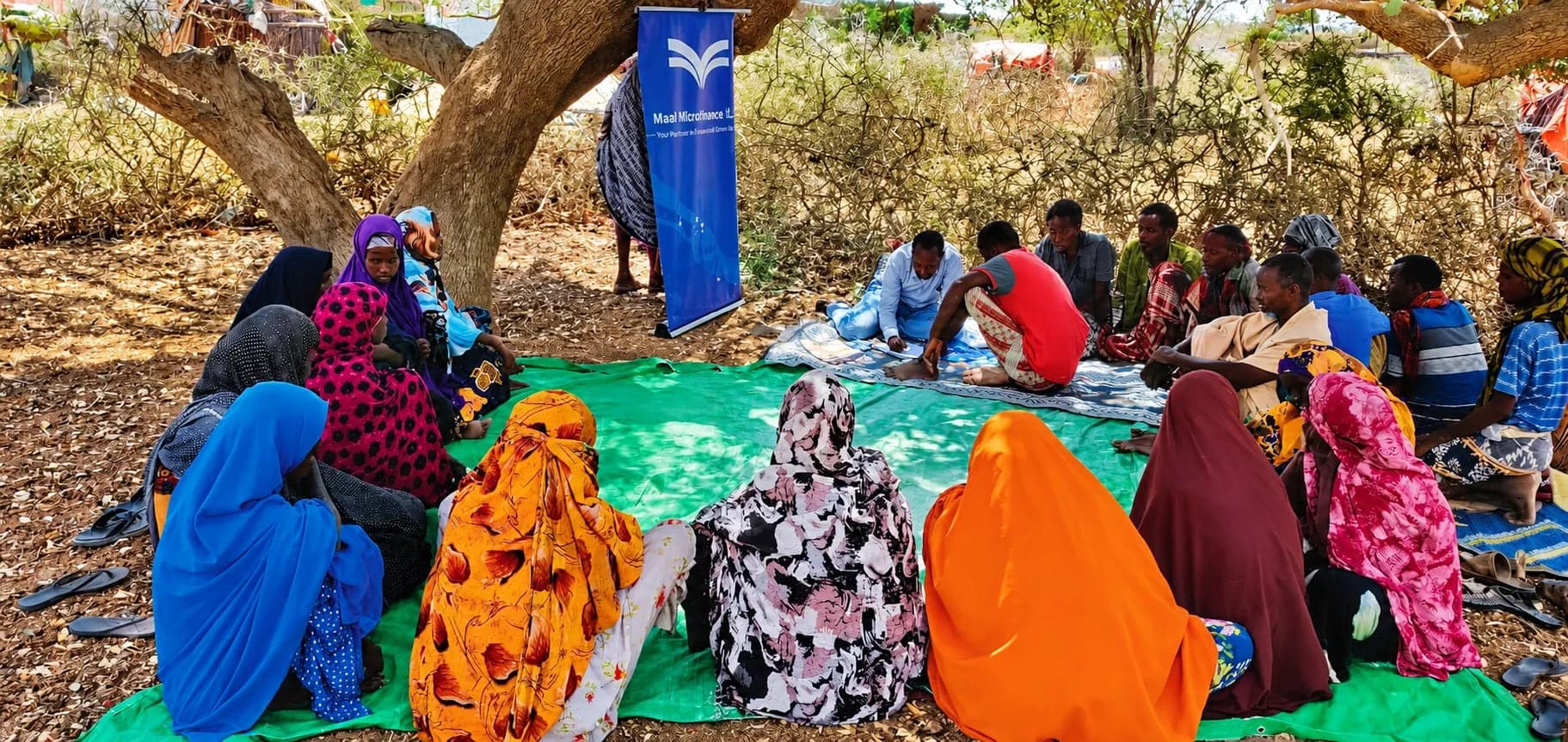
Microfinance institutions recognize that financial support alone is not sufficient for the long-term growth of the agriculture sector. We offer training programs and capacity-building initiatives to equip farmers with modern agricultural techniques, business management skills, and market knowledge. These programs enhance farmers’ capabilities, enabling them to adopt sustainable practices, increase efficiency, and adapt to market dynamics.
Impact on Rural Communities
The positive impact of microfinance extends beyond individual farmers. As the agriculture sector thrives, rural communities benefit from increased employment opportunities, improved food security, and enhanced socio-economic conditions. The growth of agriculture stimulates local markets, boosts trade, and contributes to overall economic development.
Microfinance has emerged as a transformative force in Somalia’s agriculture sector, paving the way for inclusive growth, improved livelihoods, and sustainable development. By addressing the financial constraints faced by farmers, microfinance institutions are empowering them to unlock their potential and contribute to the nation’s food security and economic prosperity. With continued support and investment, microfinance has the power to revolutionize agriculture in Somalia, laying the foundation for a brighter future.